First 100km done.
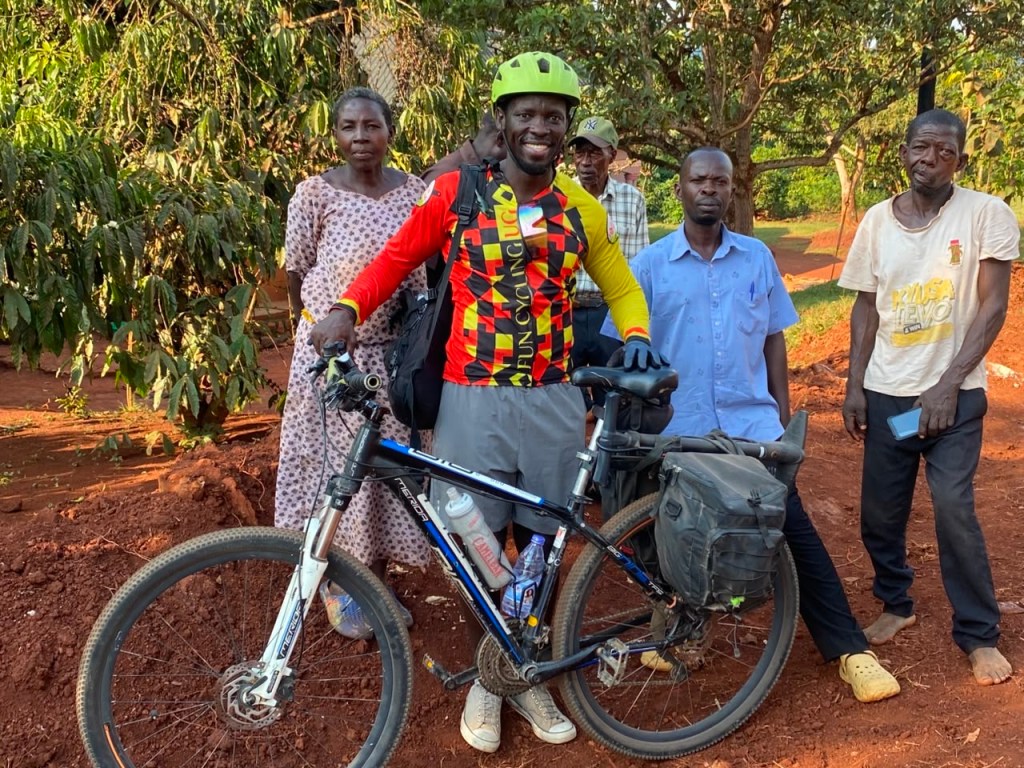
Educycling across the country for early childhood literacy.
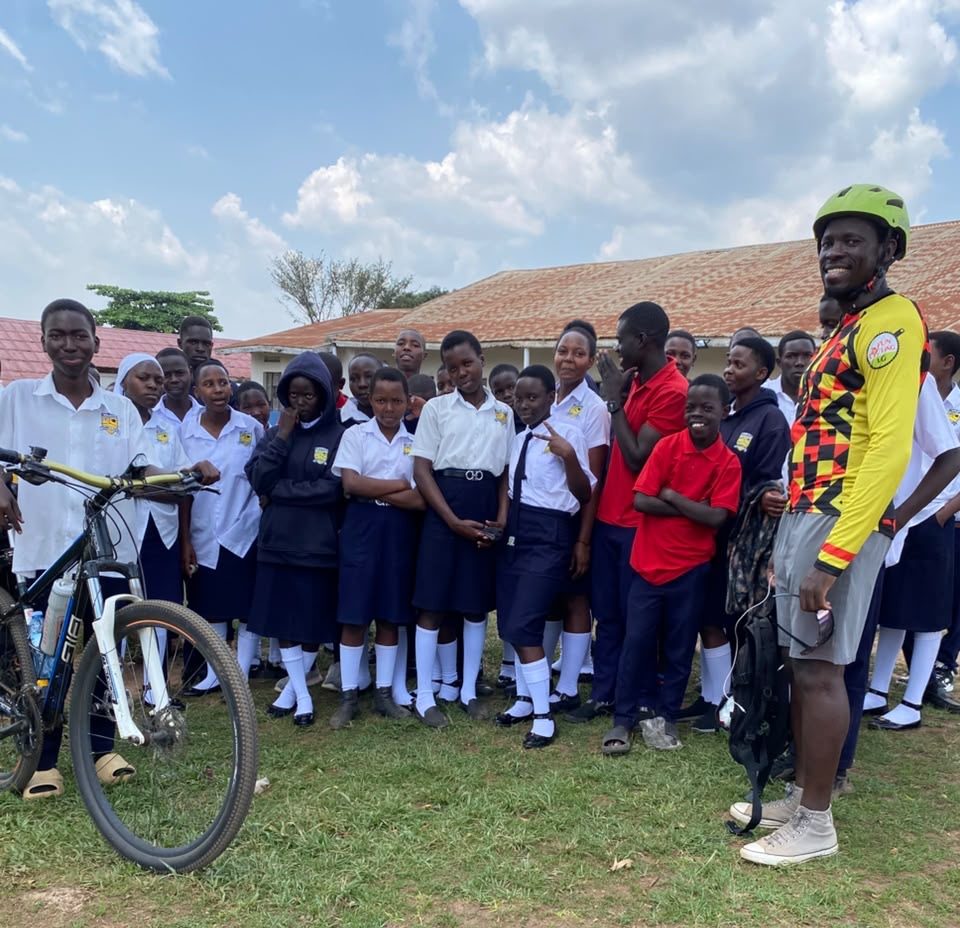
Three schools in one day, (Rapid engagement), they call it.
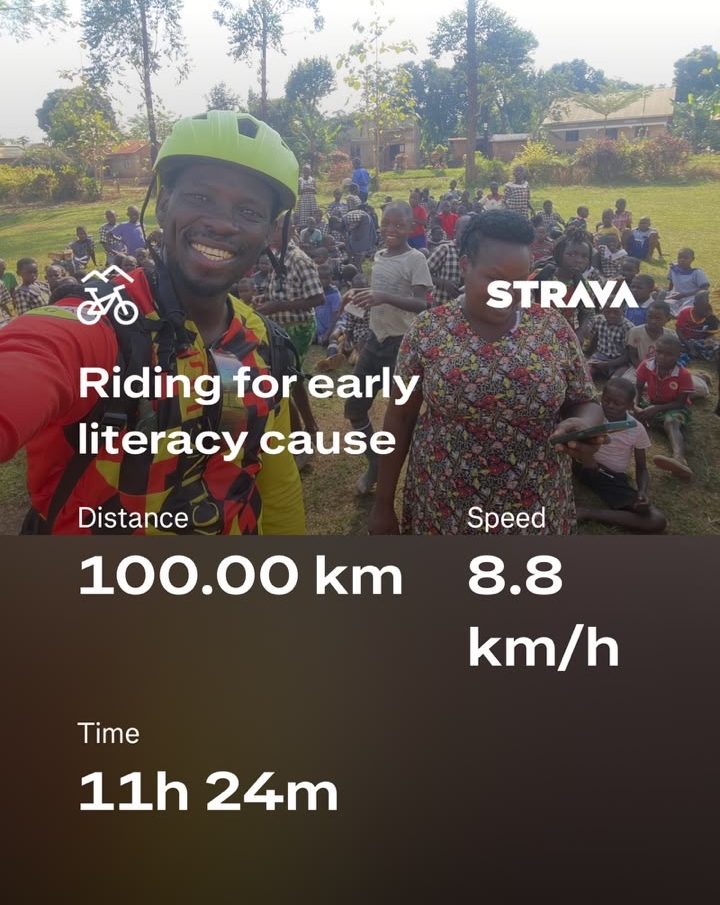
But even a quick interaction is enough to see what is being done right and where improvement is urgently needed. The gaps are critical.
I am still thinking about the kids I met. The anxiety in those classrooms is heavy. Why are they so timid? I tried starting basic conversations, but they just shrank back, hesitant to speak even in local language. There is a deep communication barrier locking them in.
But then… someone started a religious song. Suddenly, the whole room shifted. Their confidence surged, their voices unlocked. It’s fascinating. The joy and voice are already inside them, so why does everyday communication feel so terrifying?
I will leave that with you to think about.
Let’s talk about the distance burden. It is brutal out here. I am on a geared bike, and I can heavily feel it. Imagine being six, seven, or eight years old, walking morning miles to reach a desk. By the time these little rural learners step into the classroom, their energy is zapped.
Their focus is gone. They are defeated by the journey before the lesson even begins.
And it shows in the numbers. The Upper Primary Dro.
In the lower primary blocks, it’s chaotic and alive 60, sometimes 70 kids crammed into one room.
But then I walked into the upper primary classes. Thirty learners. Max.
Where did the other half go?
The drop-off is a cliff. We need a serious, deep investigation into where these children are vanishing to.
But the pieces just aren’t connecting.
Let’s talk about what I am cycling for.
Parents aren’t showing up to school activities. They aren’t reading at home.
That is among the missing link. I am convinced of it now. The sharp drop in upper class enrollment is tied directly to this lack of parental participation. If a parent isn’t invested in the school or supporting the child at home, student retention plummets.
The kids give up, or the parents pull them out.
So, how do we fix this?
We can’t just rely only on already overstretched resourced school systems for early childhood development or a government choking on hundreds of other priorities.
We have to look beyond the classroom walls. We need to bring the solutions straight home.
It starts with 15 minutes.
That’s what I want to tell every parent in Uganda and Africa at large.
just spare 15 minutes every single day to read with your child.
That tiny habit could completely rewrite a child’s reading skills, confidence.
And the books? If the kids can’t walk to the books, the books have to come to the kids.
We need neighborhood children book access points, little book sharing spots right in our communities.
That can completely erases the literacy distance barrier, allowing the little ones to learn how to read early at home.
Back on my bicycle . Let’s see what the next distance reveal.
To buy a child a book: http://oly.me/fc-c6a


Leave a Reply